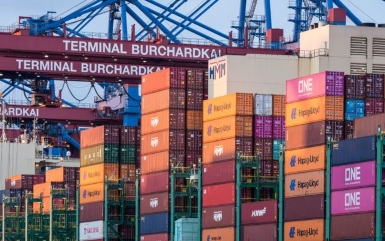
Sea containers are a cornerstone of global trade, with millions of units transported across international supply chains each year. However, their movement also creates pathways for the spread of pests and diseases, posing risks to agriculture, biodiversity, food security and international commerce.
To address these risks, the Australian Government has developed a series of capacity-building videos aimed at helping industry participants and global stakeholders reduce pest contamination associated with sea container movements.
Pest incursions can have significant environmental and economic consequences, threatening ecosystems, agricultural production and food supplies.
Contaminated containers can also disrupt trade by causing shipment delays, increasing compliance costs and requiring additional measures such as cleaning, inspection and outbreak management.
Preventing pest contamination in sea containers: Visual examination of containers and their cargoes
Everyone involved in the sea container supply chain has a responsibility to ensure containers and their cargo are free from visible pest contamination.
Maintaining pest-free international trade is essential to protecting agriculture, the environment and global ecosystems. However, the growing volume of sea containers and cargo moving between countries has increased the risk of pests spreading through international trade networks.
Containers or cargo found to contain live pests must not be loaded or forwarded for transport by sea, road or rail until all visible pest contamination has been completely removed.
Whether involved in packing, unpacking, storage, transport or final delivery, all personnel should remain alert for signs of pest contamination and take appropriate action, including:
- Removing visible contamination where permitted.
- Reporting contamination to the relevant commercial contact or responsible authority.
Sea container seals must not be removed or tampered with to inspect for pests unless authorised by the competent authority.
1.Conducting visual inspections Visual inspections should be carried out carefully using appropriate tools, which may include:
- A mirror.
- A scraper. –
- A torch or flashlight.
Inspectors should look for signs of:
- Insects and snails.
- Animals and animal material.
- Soil.
- Plant material, including seeds.
- Insect larvae and eggs.
- Timber containing frass (insect waste).
- Insect body parts.
- Insect-damaged materials.
Special attention should be given to insect eggs and larvae, as these can be difficult to detect.
2. External container inspection
To ensure full visibility of external surfaces, containers should, where possible, be inspected while positioned on a secure and suitable platform.
Before inspections begin:
- Forklifts should be disengaged.
- Personnel should maintain a safe distance from moving equipment and containers.
Inspect the following external areas:
- Side walls.
- Forklift pockets.
- Twist-lock holes in corner fittings.
- Side rails.
- Doors.
- Ventilation openings.
3. Inspecting container undersides
Most pest contamination is found underneath containers.
Where safe and practical, containers should be inspected from underneath while positioned on:
- A suitable stand.
- A skeletal trailer.
Inspectors should pay particular attention to:
- Crossmembers, which can provide hiding places for pests such as snails.
- Areas where soil and plant material can accumulate.
Where safe and practical, also inspect:
- The top twist-lock holes of corner castings.
- Tank container side wells, where water and debris may collect.
For flat rack containers:
- Inspect with ends unfolded and securely locked into position.
4. Special checks for refrigerated and specialised containers
For refrigerated (reefer) containers, inspectors should check:
- Ventilation inlet grilles.
- Machinery compartments.
- Cable trays, including areas behind or around cables where pests may hide.
- Cables should be moved where possible to improve visibility during inspection.
5. Internal container inspections
Empty containers should be securely positioned before internal inspections, either:
- On the ground.
- On a suitable inspection platform.
When opening container doors:
- Always stand clear unless specific workplace procedures allow otherwise.
- Take precautions against potential hazardous gases or unexpected cargo movement.
Use a torch to inspect areas where pests may hide, including:
- Cracks and crevices.
- Internal walls and roof.
- Floorboards.
- Joints, gaps and holes.
- Door seals and rubber folds.
- Ventilation areas.
Potential indicators of pest contamination include:
- Grains, insects, eggs or larvae found in door seals, floor joints and gaps.
- Yellowish skins on floors or rubber door seals, which may indicate the presence of khapra beetle.
For refrigerated containers, inspectors should also check:
- Floor drain holes.
6. Cargo and packaging inspections
Visual checks of cargo should not replace importing country requirements for regulated goods, including:
- Plants and plant products.
- Animals and animal products.
Before unloading or handling cargo:
- Stand clear of container doors when opening to avoid potential spills or exposure to hazardous gases.
Inspect cargo and packaging for signs of pest contamination, including:
- Cartons.
- Plastic liners.
- Packaging materials.
When inspecting machinery, tools and equipment particularly items stored outdoors check:
- Large chambers.
- Internal spaces.
- Hidden areas where pests may seek shelter.
These locations can provide hiding places for pests such as the brown marmorated stink bug.
Protecting global trade from invasive species
Millions of sea containers move around the world each year. Even a small number of contaminated containers can contribute to the spread of pests and diseases across borders. Every participant in the supply chain must meet their custodial responsibilities while containers and cargo remain under their control.
Through careful inspections, timely reporting and effective action, the global trade community can help protect agriculture, ecosystems and communities from invasive species.